Top 7 Causes of ED and How to Address Them

Quick Answer: Erectile dysfunction is caused by poor blood flow, diabetes, stress, low testosterone, obesity, medications, and unhealthy habits like smoking. Treatment focuses on the underlying cause and may include medication, lifestyle changes, therapy, or managing chronic health conditions.
Erectile dysfunction (ED) or Performance issues is a condition that affects many men, but it remains a sensitive and often ignored topic. It refers to the consistent inability to get or keep an erection strong enough for sexual activity.
This issue can be both frustrating and embarrassing, but recognizing the underlying causes is the first step toward resolving it. In this article, we’ll dive into the top 7 causes of Performance issues and discuss how to effectively address each one.
1. Chronic Health Conditions
Chronic conditions like diabetes, high blood pressure, and high cholesterol can directly impact your blood flow and nerve function, both of which are vital for an erection.
How to address it:
- Speak to your doctor: If you have any long-term health conditions, it's important to discuss how they may be affecting your sexual health. Managing these conditions through lifestyle changes or medication can help prevent Erectile challenges.
- Healthy living is key: Eating a balanced diet, quitting smoking, and reducing alcohol consumption can go a long way in controlling chronic conditions and supporting your sexual health.
2. Poor Blood Circulation
Your erectile function heavily depends on healthy blood circulation. When your blood vessels are narrowed or blocked, it can severely restrict blood flow, making it difficult to maintain an erection. Atherosclerosis (plaque buildup in arteries) is a common culprit here.
How to address it:
- Exercise: Regular physical activity improves circulation, reduces cardiovascular disease risks, and can help prevent Erectile issues.
- Medications: Drugs like Vidalista 40 or Vidalista 80 can be prescribed to improve blood flow to the penis and help men with Erectile dysfunction maintain erections.
3. Mental Health Struggles
Mental health plays a crucial role in erectile function. Stress, anxiety, depression, or relationship problems can all interfere with sexual performance.
The mind and body are closely connected, and psychological factors can often make it difficult to achieve or maintain an erection.
How to address it:
- Therapy or counseling: Seeking help from a mental health professional can be a game-changer. Therapy can help you deal with underlying stress, anxiety, or relationship issues contributing to Erection concerns.
- Stress management: Practicing relaxation techniques such as meditation, yoga, or deep breathing exercises can reduce anxiety, improve mood, and benefit your sexual health.
4. Hormonal Imbalances
Hormones, particularly testosterone, play a central role in sexual health. If testosterone levels drop, it can result in reduced libido and erectile dysfunction. Hormonal imbalances are more common as men age, but can occur at any stage of life.
How to address it:
- Hormonal testing: A simple blood test can check for low testosterone or other hormonal imbalances. If needed, hormone replacement therapy or medications can restore balance.
- Healthy lifestyle: Maintaining a regular exercise routine, eating well, and getting adequate sleep can naturally boost testosterone levels and enhance sexual health.
5. Medications and Drug Side Effects
Certain medications can contribute to Erectile Dysfunction as a side effect. These include antidepressants, antihypertensive drugs, and medications used to treat prostate conditions. These drugs may interfere with the signals needed to initiate an erection.
How to address it:
- Talk to your doctor: If you suspect your medication is the cause, consult your healthcare provider. They may suggest alternative medications or adjust your dosage.
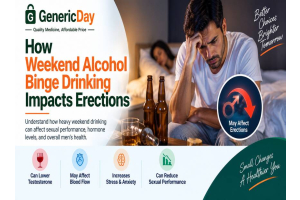
- Avoid recreational drugs: Substances like alcohol, marijuana, and cocaine can worsen Erectile Dysfunction. Limiting or eliminating these substances may help improve your sexual function.
6. Obesity and Poor Diet
Being overweight increases the risk of developing Erectile Dysfunction. Obesity is often linked to conditions such as diabetes, high blood pressure, and high cholesterol, all of which can harm erectile function.
How to address it:
- Balanced diet: Eating a diet rich in fruits, vegetables, lean proteins, and whole grains can improve your overall health and reduce the risk of Impotence.
- Weight loss: Even losing a small amount of weight can improve blood circulation, boost testosterone levels, and help alleviate Erectile Dysfunction symptoms.
7. Age and Natural Aging Process
As men age, it’s natural to experience changes in sexual function. Testosterone levels decline, blood vessels lose their elasticity, and it can become more challenging to achieve or maintain an erection. While aging is a natural process, its effects on sexual health can be managed.
How to address it:
- Testosterone replacement therapy: If low testosterone is a factor in your Impotence, your doctor may suggest testosterone therapy to help restore function.
- Stay active: Regular physical activity and maintaining a healthy lifestyle can significantly reduce the impact of aging on sexual health.
Conclusion
Erectile dysfunction is a complex condition that can arise from various causes, including physical, psychological, and lifestyle-related. The good news is that many of the factors contributing to Impotence can be managed with the right approach.
Whether it’s controlling chronic health conditions, improving circulation, addressing mental health issues, or making healthier lifestyle choices, there are several ways to improve erectile function and regain confidence.
If you’re struggling with Impotence, it’s important to consult with a healthcare provider to identify the underlying cause and create a treatment plan. With the right medical advice, lifestyle changes, and the right mindset, you can take control of your sexual health and enjoy a more fulfilling life.