Can Future ED Treatments Reduce Dependence on Medication?

Quick Answer: Future erectile dysfunction (ED) treatments may include gene therapy, stem cell research, advanced medical devices, and personalized treatment approaches. These innovations aim to improve erectile function and address underlying causes. However, many emerging therapies remain experimental and require further research to confirm their safety and effectiveness.
Imagine a future in which treating erectile dysfunction means more than taking a pill before intimacy. What if treatment could focus on improving blood vessel health, addressing the underlying cause, and helping men maintain better erectile function over time? For millions of men who rely on erectile dysfunction (ED) medication, this possibility raises an important question: can future Erectile Dysfunction treatments reduce dependence on medication?
The answer is promising, but it requires a realistic understanding of medical research. Advances in regenerative medicine, low-intensity shockwave therapy, personalized treatment, and lifestyle-based interventions are expanding the possibilities for erectile dysfunction management. Some approaches may help selected men improve erectile function, while others remain experimental and need stronger clinical evidence.
Today, medicines such as sildenafil and tadalafil are established treatments for many men with Erectile Dysfunction. However, medication does not always address every contributing factor, including cardiovascular problems, diabetes, psychological stress, or lifestyle habits.
Future erectile dysfunction treatments may increasingly combine established therapies with approaches designed to address these underlying factors. Although reducing medication use may become possible for some patients, no emerging treatment can currently guarantee a permanent cure or complete medication independence.
This article explores the science behind future Erectile Dysfunction treatments, current medication-free options, emerging therapies, safety considerations, and what these developments could mean for long-term sexual health.
What Is Erectile Dysfunction, and Why Do Men Depend on Medication?
Erectile dysfunction is the persistent difficulty of achieving or maintaining an erection firm enough for satisfactory sexual activity. It can affect men of different ages and may arise from physical, psychological, or combined causes.
Erectile dysfunction is not simply a normal consequence of aging. It can also be an early indicator of an underlying health problem, particularly when blood vessel function is involved.
Common causes and contributing factors include:
- Vascular problems: Reduced blood flow associated with cardiovascular disease or damaged blood vessels.
- Diabetes: High blood glucose can damage nerves and blood vessels involved in erections.
- Hormonal conditions: Low testosterone may contribute to sexual symptoms in some men.
- Psychological factors: Stress, depression, performance anxiety, and relationship difficulties can affect sexual function.
- Lifestyle factors: Smoking, physical inactivity, excess alcohol consumption, and obesity may worsen erectile function.
- Medication effects: Certain prescription medicines can contribute to sexual difficulties.
These causes matter because the most effective treatment depends on the individual diagnosis. A man whose Erectile Dysfunction is primarily related to anxiety may need a different approach from someone whose symptoms are associated with diabetes or vascular disease.
Why are ED medications commonly used?
Oral medications known as phosphodiesterase type 5 (PDE5) inhibitors are widely used because they improve the body's natural erectile response.
Examples include sildenafil, tadalafil, vardenafil, and avanafil. These medicines enhance blood flow to the penis during sexual stimulation. They do not automatically create sexual desire or cure every underlying cause of Erectile Dysfunction.
For many men, PDE5 inhibitors provide reliable symptom relief. However, some experience side effects, have medical conditions that make these drugs unsuitable, respond inadequately, or prefer a treatment that does not require medication around sexual activity.
Importantly, needing ED medication does not mean a man has become addicted to it. Physical dependence, addiction, and ongoing use of an effective treatment are different concepts. Men should not stop prescribed treatment simply because they are concerned about dependence.
The goal of future ED treatment is therefore not necessarily to eliminate medication. It is to help patients achieve the best possible sexual function, safety, and quality of life with the least burdensome effective treatment plan.
Can Future ED Treatments Reduce Dependence on Medication?
Yes, potentially for some men. Future treatments may reduce reliance on medication if they can improve underlying vascular function, address specific medical causes, or provide effective alternatives to oral drugs.
However, this outcome will depend on the cause and severity of Erectile Dysfunction, the treatment used, and the quality of evidence supporting it.
For example, a man whose erectile difficulties are partly associated with physical inactivity, smoking, or poorly controlled diabetes may benefit from addressing those factors alongside medical treatment. Another man with substantial nerve damage or advanced vascular disease may continue to need medication or a device-based intervention.
Researchers are investigating several approaches that could change Erectile Dysfunction management:
- Regenerative therapies intended to support tissue repair.
- Low-intensity extracorporeal shockwave therapy for selected cases of vascular Erectile Dysfunction.
- Improved diagnostic tools that match treatments to individual causes.
- Digital health and behavioral interventions that support long-term lifestyle changes.
- New medicines and delivery methods designed to improve effectiveness or tolerability.
These approaches are not interchangeable, and they are not all equally established. Some are already available as treatment options, while others remain under investigation.
The key distinction is between improving erections while treatment is being used and producing lasting improvement after treatment ends. The second outcome is what would make genuine medication reduction possible for some patients, and it requires stronger evidence than short-term symptom improvement alone.
Future ED Treatments: What Are Researchers Exploring?
Research into erectile dysfunction is moving beyond symptom management toward a more individualized understanding of sexual function. Nevertheless, promising laboratory findings or early clinical results do not automatically establish that a treatment is safe, effective, or capable of replacing medication.
The following approaches illustrate where research and clinical practice currently stand.
1. Low-Intensity Shockwave Therapy for Erectile Dysfunction
Low-intensity extracorporeal shockwave therapy, often abbreviated as Li-ESWT, uses acoustic energy delivered through a device placed against the skin. Researchers are investigating whether this treatment can influence blood vessel function and improve circulation in penile tissue.
The treatment is particularly relevant to vasculogenic Erectile Dysfunction, which occurs when blood flow contributes to erection difficulties.
Some clinical studies have reported improvements in erectile function among selected patients. However, results differ across studies because treatment protocols, patient characteristics, follow-up periods, and outcome measurements are not consistent.
The European Association of Urology's 2025 guidelines give a weak recommendation for considering low-intensity shockwave treatment in selected men, including some with mild vasculogenic Erectile Dysfunction or inadequate responses to PDE5 inhibitors. This is not the same as establishing it as a universal replacement for medication.
Could shockwave therapy reduce medication use?
Possibly, in selected cases, but the evidence does not establish that it reliably produces permanent medication-free erections. Men considering this treatment should ask about the evidence for their specific condition, treatment costs, uncertainty around long-term results, and the possibility that medication may still be needed.
2. Stem Cell Therapy for Erectile Dysfunction
Stem cell therapy is one of the more widely discussed experimental approaches in regenerative medicine. Researchers are studying whether certain cells or cell-derived signals could support tissue repair, nerve function, or blood vessel health.
This research is relevant because erectile dysfunction can involve damage to vascular tissue, nerves, or other structures needed for normal erections.
However, much of the evidence remains preclinical or comes from early-stage human research. Questions remain about the best cell type, delivery method, dose, durability, safety, and which patients might benefit.
There is currently no established stem cell treatment that can reliably regenerate penile tissue and eliminate the need for Erectile Dysfunction medication.
Patients should be especially cautious of clinics advertising stem cell injections as a guaranteed cure. Claims of permanent results, restored natural erections, or complete freedom from medication should not be accepted without high-quality clinical evidence and appropriate regulatory oversight.
For now, stem cell therapy for Impotence should be regarded as an experimental research area rather than a proven routine treatment.
3. Platelet-Rich Plasma (PRP) Therapy
Platelet-rich plasma therapy involves preparing a concentrated portion of a patient's blood containing platelets and administering it to a targeted area. Platelets release signaling substances involved in normal healing processes, which has led researchers to investigate potential applications in sexual medicine.
PRP is sometimes marketed as a regenerative treatment for erectile dysfunction. However, the proposed biological mechanism does not prove that the procedure produces meaningful or lasting clinical benefits.
Studies have been limited by inconsistent protocols, small samples, and differences in outcome measurement. Strong evidence that PRP can reliably restore erectile function or reduce medication use remains insufficient.
Men should not assume that using their own blood makes a procedure risk-free. Injection-related complications, infection, discomfort, and financial costs are relevant considerations.
At present, PRP for Erectile Dysfunction should not be presented as a proven replacement for established treatment. Participation in properly reviewed clinical research is a more appropriate context for evaluating experimental approaches.
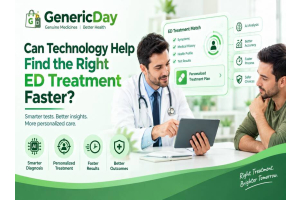
4. Personalized Medicine and Precision Diagnosis
One of the most realistic advances in future ED treatment may come from better diagnosis rather than a single breakthrough procedure.
Erectile dysfunction can have several causes at once. A personalized approach aims to identify the main contributing factors and select treatments accordingly.
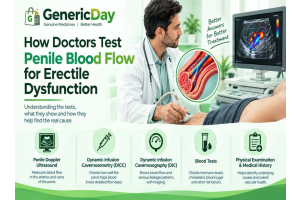
A medical evaluation may include a review of sexual symptoms, medical history, current medicines, cardiovascular risk factors, and mental health. Depending on the findings, a clinician may recommend blood pressure assessment, glucose testing, cholesterol testing, or hormone testing.
More targeted assessment could help clinicians distinguish between vascular ED, medication-related symptoms, hormonal conditions, and psychological contributors.
For example, a patient with diagnosed testosterone deficiency may need an evaluation and appropriate treatment for that condition, while someone with performance anxiety may benefit from counseling or sex therapy. Testosterone treatment is not an appropriate general-purpose ED treatment for men with normal testosterone levels.
The future opportunity is to avoid treating every case identically. Better matching of treatment to cause may improve outcomes, reduce unnecessary interventions, and help some men use medication less often when clinically appropriate.
5. Next-Generation Medicines and Improved Delivery Methods
New oral medicines and alternative delivery systems may also improve Erectile Dysfunction care. Researchers continue to investigate how existing drug pathways can be targeted more effectively and how treatment can become more convenient or better tolerated.
Future options may involve improved formulations, more individualized prescribing, or therapies directed at particular biological mechanisms.
However, a new formulation does not automatically remove the need for medication. If a treatment still works by temporarily improving the erectile response, it may offer symptom control without producing a lasting change in the underlying condition.
The meaningful question is whether a new treatment improves effectiveness, reduces adverse effects, offers greater convenience, or changes the disease process itself. Those are separate outcomes and must be evaluated independently.
Comparison of Emerging ED Treatment Approaches
| Treatment approach | Main goal | Current evidence |
|---|---|---|
| Shockwave therapy | Potentially improve vascular function | Mixed; may suit selected patients |
| Stem cell therapy | Investigate tissue repair | Experimental |
| PRP therapy | Investigate regenerative effects | Insufficient for routine use |
| Personalized diagnosis | Match treatment to underlying cause | Part of current evidence-based care |
| New medicines | Improve symptom control or tolerability | Depends on the specific treatment |
Can Lifestyle Changes Reduce the Need for ED Medication?
Lifestyle changes are among the most practical ways to support erectile function and overall health. Unlike many experimental procedures, several lifestyle interventions also improve cardiovascular and metabolic health, which are closely connected to erectile function.
They are not guaranteed to reverse Erectile Dysfunction, but they can be an important part of a long-term treatment plan.
Regular Physical Activity
Exercise supports circulation, cardiovascular fitness, weight management, and metabolic health. These benefits are relevant because erections depend on healthy blood vessels and adequate blood flow.
Walking, cycling, swimming, resistance training, or another activity suited to a person's health and abilities can help establish a sustainable routine.
Men who have cardiovascular disease or significant exercise limitations should discuss an appropriate activity level with their healthcare professional.
Healthy Eating and Weight Management
A balanced dietary pattern rich in vegetables, fruits, legumes, whole grains, nuts, and unsaturated fats can support vascular health. Research suggests that healthier dietary patterns, including Mediterranean-style eating, may lower Erectile Dysfunction risk or improve symptoms in some men.
Weight management may also help reduce the risk of diabetes, high blood pressure, and other conditions associated with erectile difficulties.
No single food, drink, or supplement should be promoted as a guaranteed cure for Impotence. The overall pattern of eating and long-term health management matters more than isolated ingredients.
Smoking Cessation and Alcohol Moderation
Smoking damages blood vessels and is associated with vascular disease, which can contribute to Erectile Dysfunction. Stopping smoking can improve overall cardiovascular health and may support erectile function.
Excessive alcohol consumption can also interfere with sexual performance and contribute to other health problems. Reducing alcohol intake may be beneficial, especially when drinking is frequent or heavy.
Managing Diabetes, Blood Pressure, and Cholesterol
Diabetes and cardiovascular risk factors can damage blood vessels and nerves involved in erections. Effective management may help prevent further damage and improve general health.
Men should not independently stop blood pressure medicines or other prescriptions because they suspect a sexual side effect. A clinician can review whether an alternative medicine or adjustment is appropriate.
Can lifestyle changes eliminate medication use?
Some men may experience enough improvement to reconsider their treatment plan with a clinician. Others will continue to need medication because of the underlying condition.
Lifestyle interventions should be viewed as part of comprehensive Erectile Dysfunction management, not as a reason to delay medical evaluation or discontinue an effective treatment without advice.
Non-Drug ED Treatments Already Available Today
The future of erectile dysfunction treatment does not depend entirely on experimental technology. Several established non-drug or non-oral options already help men who cannot take PDE5 inhibitors, do not respond adequately, or prefer another approach.
Vacuum Erection Devices
A vacuum erection device uses a cylinder and pump to draw blood into the penis. A constriction ring may then help maintain the erection for sexual activity.
These devices provide a non-drug option for appropriately selected patients. They do not cure the underlying cause of ED, but they can support erections without oral medication.
Some men need practice to use the device comfortably. Possible disadvantages include bruising, discomfort, numbness, or a cooler feeling in the penis.
Psychological Counseling and Sex Therapy
Psychological factors can contribute to Impotence even when physical health issues are also present. Stress, depression, relationship conflict, and performance anxiety can create a cycle in which worry makes erections more difficult and unsuccessful experiences increase anxiety.
Counseling or sex therapy may help patients address these factors, improve communication, and reduce pressure around sexual performance.
For some men, psychological support works best alongside treatment for a physical cause rather than as a substitute for it.
Pelvic Floor Muscle Training
Pelvic floor muscles contribute to urinary and sexual function. Targeted training may help some men improve erectile symptoms, although outcomes depend on the individual and the underlying cause.
A clinician or appropriately trained physiotherapist can help determine whether this approach is suitable and explain correct technique.
Injections, Urethral Treatments, and Penile Implants
When oral medication is unsuitable or ineffective, other medical options may be considered.
Intracavernosal injections deliver medication directly into penile tissue. Intraurethral or topical alprostadil may be an option for selected patients, depending on availability and clinical suitability.
Penile implants are a more invasive treatment generally considered when other options have not provided satisfactory results or are unsuitable. They can provide a reliable mechanical means of achieving rigidity, but surgery carries risks and requires careful counseling.
These treatments differ in their mechanisms, convenience, risks, and long-term implications. A qualified healthcare professional can help patients compare them.
Existing Treatment Options at a Glance
| Option | Drug-free? | Main consideration |
|---|---|---|
| Vacuum erection device | Yes | Requires device use and practice |
| Counseling or sex therapy | Yes | Useful for psychological contributors |
| Lifestyle changes | Yes | Supports broader health; results vary |
| Pelvic floor training | Yes | May help selected patients |
| Penile implant | Yes, for erection assistance | Requires surgery and follow-up |
Will Future ED Treatments Provide Permanent Results?
This is one of the most important questions for men considering newer therapies. A treatment may improve erectile function for a limited period without changing the underlying condition. A lasting improvement after treatment has ended is a different and more demanding clinical outcome.
For a therapy to support reliable medication independence, researchers need evidence that patients maintain meaningful improvement over time, not simply that symptoms improve shortly after treatment.
Long-term studies should examine:
- Whether improvement persists after treatment ends.
- How many patients achieve meaningful functional benefits.
- Whether medication use decreases and remains lower.
- Which causes and severity levels respond best.
- What side effects occur during treatment and follow-up.
- Whether benefits outweigh costs and treatment burdens.
Future clinical trials may help identify which patients are most likely to benefit from regenerative or device-based approaches. Until then, claims of a permanent ED cure should be treated cautiously.
Even when an intervention is effective, a patient may still need treatment later if diabetes, cardiovascular disease, nerve damage, or another contributing condition progresses.
The best goal is sustained improvement in sexual function and quality of life, whether achieved through medication, non-drug care, or a combination.
What Could the Future of ED Treatment Look Like?
The future may involve combination care rather than one universal cure.
A patient could receive an assessment of cardiovascular and metabolic risk, personalized advice on lifestyle changes, and an established treatment suited to the severity of symptoms. Psychological support may be added when stress or anxiety contributes. New therapies could become additional options if research establishes their safety and effectiveness.
This approach recognizes that Erectile Dysfunction is not one disease with one cause. Treatment needs can change over time, and the best plan should reflect patient preferences, medical history, safety, and response to care.
AI-assisted clinical tools may eventually help clinicians interpret health information and identify patterns, but such systems will need validation and appropriate medical oversight. They cannot replace a proper diagnosis or guarantee treatment success.
The most meaningful future advance will not necessarily be a treatment that eliminates every pill. It may be a safer, more precise system that helps each patient receive the right treatment, avoid unnecessary interventions, and maintain sexual health over the long term.
Safety: What Men Should Know Before Trying a New ED Treatment
Interest in medication-free ED treatment has created a market for products and procedures advertised as natural, regenerative, or permanent solutions. Marketing language should never replace evidence.
Before trying a new treatment:
- Seek a medical assessment. ED can be associated with diabetes, cardiovascular disease, medication effects, and other conditions that deserve attention.
- Check the evidence. Ask whether the treatment has been evaluated in well-designed human clinical trials and whether benefits have lasted beyond the initial treatment period.
- Understand the regulatory status. Approval varies by country and by specific product or procedure. Experimental therapies should not be presented as established cures.
- Discuss interactions and risks. Sildenafil and other PDE5 inhibitors can interact dangerously with nitrate medicines used for chest pain. Do not combine ED medicines without medical advice.
- Avoid unverified online products. Medicines or supplements with uncertain ingredients, doses, or manufacturing quality may be unsafe.
- Do not stop prescribed treatment independently. A clinician can help determine whether reducing, changing, or discontinuing medication is appropriate.
An erection lasting more than four hours requires emergency medical attention. Sudden vision or hearing loss after ED medication also requires urgent evaluation. Seek emergency care for chest pain and tell clinicians which medicines you have taken.
ED is a treatable medical condition, and seeking care is a positive step toward better health rather than a reason for embarrassment.
Frequently Asked Questions
1. Can future ED treatments reduce dependence on medication?
Potentially, for some men, but no emerging treatment guarantees lasting medication independence; results depend on the cause of ED and the evidence supporting the therapy.
2. Can erectile dysfunction be treated without medication?
Yes, options include vacuum erection devices, counseling, lifestyle changes, and selected medical procedures, depending on the patient's needs.
3. What are the newest treatments for erectile dysfunction?
Research includes shockwave therapy, regenerative approaches, and improved diagnostic methods, but their evidence and clinical availability vary.
4. Can shockwave therapy permanently cure erectile dysfunction?
A permanent cure has not been established; some patients may improve, but long-term results are not consistent enough to guarantee medication-free function.
5. Is stem cell therapy effective for ED?
Stem cell therapy remains experimental for ED, and reliable evidence of lasting benefit and safety is not yet sufficient for routine use.
6. Can PRP treatment replace Viagra?
PRP has not been established as a reliable replacement for sildenafil or other approved ED treatments.
7. Can lifestyle changes reduce the need for ED medication?
Exercise, healthy eating, smoking cessation, weight management, and control of diabetes or blood pressure may improve erectile function in some men.
8. Are there drug-free treatments for erectile dysfunction today?
Yes. Vacuum erection devices, psychological counseling, pelvic floor training, and penile implants are among the options that may be suitable for selected patients.
9. Is it safe to stop taking sildenafil when erections improve?
Do not change a prescribed treatment plan without discussing it with your healthcare professional, who can assess your symptoms, underlying condition, and treatment needs.
10. How can I choose the best future Erectile Dysfunction treatment?
Discuss your diagnosis, medical history, goals, available evidence, costs, and potential risks with a qualified healthcare professional before choosing an established or experimental treatment.
Conclusion: A More Personalized Future for Erectile Dysfunction Treatment
Can future ED treatments reduce dependence on medication? The answer is possibly, for some men, but the evidence is still developing.
Established treatments such as sildenafil and tadalafil remain useful for many patients. At the same time, lifestyle interventions, psychological care, vacuum erection devices, and other non-oral options already provide alternatives or complementary support.
Emerging approaches such as low-intensity shockwave therapy, stem cell research, and PRP therapy may expand future treatment choices. However, their evidence, safety, and long-term benefits differ substantially, and regenerative therapies should not be advertised as guaranteed cures.
The most promising direction is personalized erectile dysfunction management: identifying the underlying cause, improving overall health, selecting evidence-based treatments, and reviewing outcomes over time.
For some men, this approach may reduce the need for medication. For others, continued medication or another established treatment may remain the safest and most effective option.
Rather than chasing a promised permanent cure, men should focus on accurate diagnosis, credible medical evidence, and a treatment plan that supports lasting health, confidence, and quality of life.