Can AI Predict Erectile Dysfunction Before Symptoms Appear?
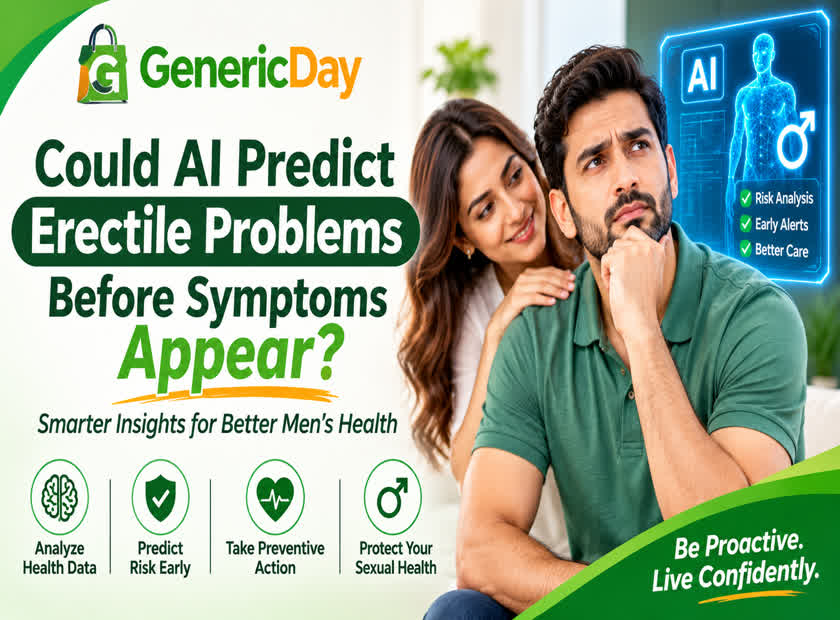
Imagine discovering that your risk of erectile dysfunction (ED) is increasing months before you experience your first difficulty in the bedroom. What if a simple analysis of your blood reports, lifestyle habits, heart health, and medical history could reveal warning signs that your body has not yet made obvious?
It may sound like something from the future, but artificial intelligence (AI) is bringing this possibility closer to reality.
Erectile dysfunction is often associated with aging, stress, or sexual performance. However, it can also be connected to underlying health conditions such as diabetes, high blood pressure, obesity, hormonal imbalances, and cardiovascular disease. In some men, changes in blood vessel health may begin long before noticeable erectile problems develop.
This is where AI prediction of erectile dysfunction becomes an exciting area of medical research. By analyzing large amounts of health information, machine learning systems may help identify patterns associated with an increased risk of ED before symptoms become noticeable.
But can AI genuinely predict erectile problems before they appear? How accurate are these technologies, and could they change the future of men's sexual healthcare?
Let's explore the science, potential benefits, and limitations.
Can AI Predict Erectile Problems Before Symptoms Appear?
Yes, artificial intelligence may eventually help predict erectile dysfunction risk before noticeable symptoms develop by analyzing medical history, metabolic indicators, cardiovascular risk factors, blood test results, and other health information. However, AI-based Erectile Dysfunction prediction is still an emerging research area and is not yet an established standalone screening method.
Traditional healthcare generally identifies erectile dysfunction after a man reports difficulty achieving or maintaining an erection. Predictive AI takes a different approach by examining health patterns that may indicate an increased likelihood of developing Erectile Dysfunction.
For example, an AI model could analyze information such as:
- Blood glucose and HbA1c levels.
- Blood pressure and cholesterol measurements.
- Body mass index (BMI) and obesity-related indicators.
- Testosterone levels and relevant hormonal information.
- Smoking habits, physical activity, and medical history.
- Existing cardiovascular and metabolic conditions.
By identifying relationships between these factors, predictive algorithms may help healthcare professionals recognize men who could benefit from earlier cardiovascular assessment, metabolic screening, or sexual health evaluation.
Importantly, a higher predicted risk does not mean that erectile dysfunction is inevitable.
How Does Artificial Intelligence Predict Erectile Dysfunction Risk?
Artificial intelligence uses computational systems to identify patterns in information and generate predictions. In healthcare, machine learning models can be trained using medical records, laboratory results, clinical assessments, and patient characteristics.
When applied to men's sexual health, these models may help identify combinations of risk factors associated with erectile dysfunction.
1. Machine Learning and Health Data Analysis
Machine learning is one of the most promising technologies for predictive healthcare.
A machine learning algorithm examines historical health information from different individuals to identify patterns associated with particular medical outcomes.
For example, researchers could train an algorithm using medical records containing information about men with and without erectile dysfunction.
The model may examine relationships involving:
- Age and medical history.
- Diabetes and insulin resistance.
- Cholesterol and triglyceride levels.
- Blood pressure and cardiovascular conditions.
- Hormonal indicators.
- Lifestyle and behavioral factors.
After training and validation, the model may estimate the probability of Impotence in individuals with similar characteristics.
However, a prediction is only as reliable as the data, methodology, and external validation behind the model.
2. AI-Powered Predictive Analytics
Predictive analytics involves examining existing information to estimate future health risks.
In erectile dysfunction research, AI-powered predictive analytics may help identify combinations of medical conditions that are associated with reduced erectile function.
For instance, an individual with diabetes, hypertension, obesity, and smoking habits may have a different risk profile from someone without these factors.
AI can potentially evaluate multiple variables simultaneously rather than examining each risk factor independently.
3. Wearable Devices and Digital Health Monitoring
Wearable devices are expanding the amount of health information available outside traditional medical settings.
Smartwatches and fitness trackers can collect information about:
- Heart rate.
- Physical activity.
- Sleep patterns.
- Resting heart rate.
- Certain cardiovascular indicators.
Researchers may investigate whether combining these measurements with clinical information can improve long-term health risk assessments.
However, consumer wearables cannot currently diagnose erectile dysfunction, and their measurements should not be treated as direct evidence of future ED.
What Health Indicators Can Help Predict Erectile Dysfunction?
Erectile function depends on a complex interaction between blood circulation, nerve signaling, hormones, psychological health, and overall metabolic function.
Several medical indicators are therefore relevant when assessing erectile dysfunction risk.
| Health indicator | Connection with ED | Why it matters |
|---|---|---|
| Blood glucose and HbA1c | Diabetes can damage blood vessels and nerves | Helps assess metabolic health |
| Cholesterol | Abnormal lipid levels contribute to vascular disease | Provides information about cardiovascular risk |
| Blood pressure | Hypertension can affect blood vessel function | Helps identify vascular risk |
| Testosterone | Low testosterone may affect sexual desire and sometimes erectile function | Supports hormonal assessment |
| BMI and waist circumference | Obesity is associated with metabolic and cardiovascular problems | Helps evaluate metabolic risk |
1. Blood Sugar and Diabetes
- Diabetes is one of the major medical conditions associated with erectile dysfunction.
- Persistently elevated blood glucose can damage blood vessels and nerves that contribute to normal erectile function.
- This is why HbA1c and fasting blood glucose measurements can provide useful information when evaluating a man's metabolic health.
- AI models may use these measurements alongside other clinical variables to estimate the risk associated with diabetes and related complications.
2. Cholesterol and Cardiovascular Health
- Healthy erections require adequate blood circulation.
- When cholesterol-related plaque builds up inside arteries, blood flow may become restricted. This process, known as atherosclerosis, can affect blood vessels throughout the body, including those supplying the penis.
- Because penile arteries are relatively small, erectile difficulties can sometimes become noticeable before symptoms of cardiovascular disease.
- This makes cardiovascular health an important component of erectile dysfunction risk assessment.
3. Testosterone and Hormonal Balance
- Testosterone plays an important role in male sexual health, particularly sexual desire.
- Low testosterone levels may contribute to reduced libido and can sometimes be associated with erectile difficulties.
- However, low testosterone is not the explanation for every case of erectile dysfunction.
- AI-based risk models may eventually incorporate hormonal information alongside metabolic, cardiovascular, and clinical indicators to provide a more comprehensive assessment.
4. Obesity and Metabolic Syndrome
- Obesity is associated with insulin resistance, inflammation, cardiovascular disease, and hormonal changes.
- Metabolic syndrome, which involves a combination of metabolic risk factors, is also associated with a greater likelihood of erectile dysfunction.
- Monitoring waist circumference, blood pressure, glucose, and lipid levels can help healthcare professionals understand an individual's overall metabolic risk.
Why Is Erectile Dysfunction Sometimes an Early Warning Sign of Heart Disease?
- One of the most important connections in men's preventive healthcare is the relationship between erectile dysfunction and cardiovascular disease.
- An erection depends on healthy blood vessels that can relax and allow sufficient blood to enter penile tissue.
- When endothelial function becomes impaired, blood vessels may not respond as effectively as they should.
- This process can affect circulation in multiple parts of the body.
- Research has shown that erectile dysfunction can precede clinically apparent cardiovascular disease in some men. Therefore, new or persistent Erectile insufficiency should not automatically be dismissed as a sexual performance issue.
The connection between vascular health and erectile function
Consider the following relationship:
- Metabolic conditions, smoking, and hypertension can damage blood vessels.
- Endothelial dysfunction can reduce the ability of arteries to dilate.
- Reduced vascular function can interfere with penile blood flow.
- Erectile difficulties may become noticeable.
- Further cardiovascular assessment may identify previously unrecognized health risks.
AI could potentially support this process by identifying concerning patterns across multiple health indicators.
However, an AI-generated prediction should never replace an appropriate cardiovascular evaluation.
Can Blood Tests Help AI Predict Erectile Problems?
Blood tests can provide valuable information about several conditions associated with erectile dysfunction.
Although no single blood test can reliably predict whether someone will develop ED, laboratory information may contribute to a broader risk assessment.
Commonly relevant tests include:
- HbA1c: Helps assess average blood glucose over approximately three months.
- Fasting blood glucose: Helps identify abnormal blood sugar levels.
- Lipid profile: Measures cholesterol and triglycerides.
- Testosterone: Helps investigate possible hormonal deficiencies when clinically indicated.
- Thyroid function tests: May be considered when symptoms suggest a thyroid disorder.
- Kidney function tests: May help assess relevant underlying health conditions.
AI algorithms could potentially analyze these results alongside medical history and lifestyle information.
For example, a model might identify that a combination of elevated glucose, abnormal cholesterol, hypertension, and obesity is associated with a higher likelihood of erectile dysfunction.
Nevertheless, these results indicate potential risk factors rather than confirming future sexual dysfunction.
How Accurate Is AI-Based Erectile Dysfunction Prediction?
The accuracy of AI-based Performance issues prediction depends on several factors, including the quality of training data, the population studied, the variables included, and whether the model has been independently validated.
A model that performs well using one hospital's patient records may not perform equally well in another population.
This is particularly important because ED risk can vary with age, ethnicity, underlying medical conditions, lifestyle, and access to healthcare.
Researchers must evaluate predictive systems using appropriate clinical measures, including:
- Sensitivity: How effectively the model identifies individuals who develop the condition.
- Specificity: How effectively it identifies individuals who do not develop it.
- Calibration: Whether predicted probabilities match actual observed outcomes.
- External validation: Whether the model performs reliably in independent populations.
A model may produce an impressive accuracy score but still have limited clinical value if it generates too many false positives or fails to identify high-risk individuals.
For this reason, AI-based Erectile Dysfunction prediction should be considered a developing research opportunity rather than an established diagnostic technology.
What Are the Potential Benefits of AI-Based Early ED Detection?
If predictive AI becomes clinically validated, it could offer several advantages for men's healthcare.
| Potential benefit | Possible application | Expected value |
|---|---|---|
| Earlier risk identification | Analyze health records before symptoms develop | Earlier medical assessment |
| Personalized screening | Combine individual medical and lifestyle information | More targeted healthcare |
| Cardiovascular awareness | Identify concerning vascular risk patterns | Encourage appropriate heart health evaluation |
| Preventive interventions | Highlight modifiable risk factors | Support healthier lifestyle decisions |
| Continuous monitoring | Combine clinical data with wearable measurements | Track selected health indicators |
Personalized Preventive Healthcare
- Instead of relying entirely on symptoms, healthcare professionals could use predictive models to identify men who may benefit from earlier screening.
Better Cardiovascular Risk Awareness
- Because ED and cardiovascular disease share several risk factors, identifying an elevated ED risk could encourage patients to discuss their overall cardiovascular health with a healthcare professional.
More Informed Lifestyle Decisions
- AI-generated insights may help individuals understand how smoking, inactivity, obesity, and uncontrolled diabetes contribute to their overall health risks.
- The goal is not to create unnecessary anxiety but to encourage informed preventive healthcare.
Can Men Reduce Their Risk of Erectile Dysfunction Before Symptoms Appear?
Yes. Although not every case of Erectile challenges is preventable, improving overall health can reduce several important risk factors.
Some practical steps include:
- Maintain a healthy weight: Managing obesity can improve metabolic and cardiovascular health.
- Exercise regularly: Physical activity supports circulation and cardiovascular fitness.
- Control blood sugar: Appropriate diabetes screening and management can reduce the risk of complications.
- Monitor blood pressure: Uncontrolled hypertension can damage blood vessels.
- Improve cholesterol levels: A heart-healthy diet and medically appropriate treatment can support vascular health.
- Stop smoking: Smoking damages blood vessels and is associated with Erectile failure.
- Limit excessive alcohol consumption: Excessive alcohol can negatively affect sexual function.
- Address psychological health: Anxiety, depression, and chronic stress can contribute to erectile difficulties.
- Men experiencing persistent erectile problems should consult a qualified healthcare professional, such as a urologist. New erectile dysfunction may also warrant cardiovascular risk assessment, particularly in men with diabetes, hypertension, or other cardiovascular risk factors.
Cenforce 150 and Erectile Dysfunction: Understanding Treatment Options
While artificial intelligence may help identify erectile dysfunction risk earlier, men who already experience persistent erection difficulties may need a medical evaluation and appropriate treatment.
Cenforce 150 is a sildenafil-based medication marketed for erectile dysfunction. Sildenafil belongs to a class of medicines called phosphodiesterase type 5 (PDE5) inhibitors. It helps increase blood flow to the penis during sexual stimulation, supporting the ability to achieve and maintain an erection.
However, Cenforce is a treatment option, not a preventive solution or an AI-based diagnostic tool. It does not predict future erectile problems or address every underlying cause of Erectile Dysfunction.
Men should consult a qualified healthcare professional before using sildenafil, particularly because it can interact dangerously with nitrate medications and is not suitable for everyone. The 150 mg strength should not be used without medical assessment and a prescribed dosing recommendation.
The Future of AI in Men's Sexual Health
The future of AI in men's healthcare may extend beyond identifying erectile dysfunction after symptoms appear.
Researchers are exploring how machine learning, predictive analytics, digital health monitoring, and personalized medicine could support earlier identification of health risks.
Future systems may combine electronic health records, laboratory results, medical questionnaires, and selected wearable measurements to generate individualized risk assessments.
However, several challenges must be addressed before these technologies become routine clinical tools.
Data privacy: Sexual health information is highly personal and requires strong protection.
Algorithmic bias: Models trained on limited populations may produce unreliable predictions for other demographic groups.
Clinical validation: AI systems must demonstrate consistent performance in independent and diverse populations.
Medical oversight: Predictions must be interpreted by qualified healthcare professionals rather than treated as final diagnoses.
Ultimately, the most valuable role of AI may be helping doctors recognize patterns earlier, personalize preventive care, and encourage men to address underlying health problems before they become more serious.
Frequently Asked Questions (FAQs)
1. Can AI predict erectile dysfunction before symptoms appear?
AI may identify patterns associated with increased ED risk before symptoms develop, but clinically validated predictive screening is not yet established.
2. How does AI predict erectile dysfunction?
AI analyzes medical history, blood test results, metabolic indicators, cardiovascular risk factors, and other health information to estimate potential risk.
3. Can blood tests predict erectile dysfunction?
No single blood test predicts ED, but glucose, cholesterol, and clinically indicated hormone tests can help identify associated risk factors.
4. Is erectile dysfunction an early sign of heart disease?
It can be an early indicator of underlying cardiovascular problems because erectile function depends on healthy blood circulation.
5. Can machine learning detect ED risk?
Machine learning can identify patterns associated with Erectile Dysfunction risk, although its usefulness for routine clinical screening requires further validation.
6. Does low testosterone always cause erectile dysfunction?
No, low testosterone may contribute to sexual difficulties, but erectile dysfunction can also result from vascular, neurological, psychological, and metabolic factors.
7. Can wearable devices detect erectile dysfunction?
Wearables can monitor selected health indicators, but consumer smartwatches cannot currently diagnose or reliably predict erectile dysfunction.
8. Can erectile dysfunction be prevented?
Some cases may be prevented or their risk reduced through exercise, healthy weight management, smoking cessation, and proper management of chronic conditions.
9. At what age should men start worrying about erectile dysfunction?
There is no single age at which ED becomes a concern; men of any adult age should discuss persistent erectile difficulties with a healthcare professional.
10. Will AI replace doctors in diagnosing erectile dysfunction?
No, AI is more likely to support clinical decision-making, while healthcare professionals remain responsible for diagnosis, interpretation, and treatment.
Conclusion: Could AI Change the Future of Erectile Dysfunction Prevention?
Artificial intelligence could become an important part of preventive men's healthcare by helping identify erectile dysfunction risk before noticeable symptoms appear.
By analyzing blood glucose, cholesterol, cardiovascular indicators, hormonal information, medical history, and lifestyle factors, predictive algorithms may help uncover patterns that traditional symptom-based assessments can miss.
However, there is an important distinction between identifying risk and predicting an individual's future with certainty. AI-based ED prediction still requires stronger clinical validation, diverse datasets, and responsible medical implementation.
For men, the most practical approach remains proactive health management. Regular medical checkups, cardiovascular risk assessment, healthy lifestyle habits, and early consultation for persistent symptoms can make a meaningful difference.
The future of erectile dysfunction care may not simply involve treating problems after they appear. It may involve recognizing underlying health risks earlier—and AI could help make that possible.