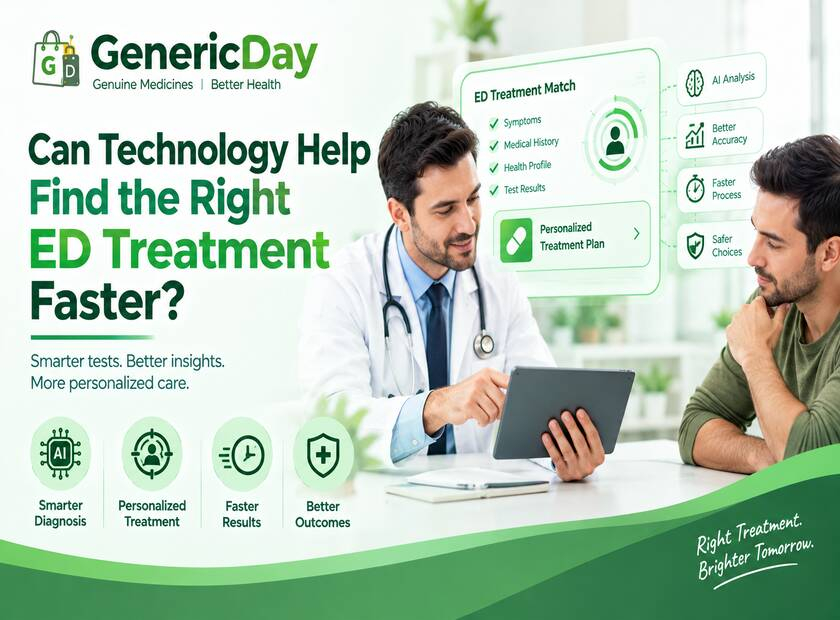
Can Technology Help Find the Right ED Treatment Faster?
Imagine spending months worrying about erectile dysfunction (ED), searching for answers, and feeling uncomfortable discussing the problem with a doctor. Now imagine accessing reliable medical information, connecting with a qualified specialist, and exploring suitable treatment options from the privacy of your home. Technology is making this process increasingly accessible.
Erectile dysfunction is a common men's health concern, but finding the right treatment is not always straightforward. Erectile Dysfunction can develop due to several factors, including diabetes, cardiovascular disease, hormonal imbalances, psychological stress, medication side effects, and lifestyle habits. Since the underlying cause can differ from one person to another, choosing an appropriate treatment requires proper medical evaluation.
This is where technology can make a meaningful difference. From telemedicine and digital health assessments to electronic medical records and AI-assisted clinical decision support, modern healthcare tools are changing how men access information and professional care.
But can technology really help men find the right ED treatment faster?
Yes. Technology can streamline access to medical consultations, support clinical assessments, improve communication, and help doctors organize patient information. However, it does not replace professional diagnosis or guarantee faster recovery. The most effective approach combines digital convenience with evidence-based medical care.
Let's explore how technology is transforming erectile dysfunction diagnosis, treatment selection, and men's sexual healthcare.
1. Understanding Erectile Dysfunction and Why Finding the Right Treatment Matters
Erectile dysfunction is the persistent difficulty achieving or maintaining an erection sufficient for satisfactory sexual activity. Occasional erection difficulties can happen to anyone, but recurring problems may indicate an underlying health concern that deserves medical attention.
Impotence is not simply an issue associated with aging. It can affect men at different stages of life and may be connected to physical, psychological, or lifestyle-related factors.
Some common causes include:
- Cardiovascular conditions: Reduced blood flow can affect the ability to achieve an erection.
- Diabetes: High blood sugar can damage blood vessels and nerves involved in erectile function.
- Hormonal problems: Low testosterone and certain endocrine conditions may contribute to sexual difficulties.
- Psychological factors: Anxiety, depression, stress, and relationship difficulties can influence sexual performance.
- Lifestyle habits: Smoking, excessive alcohol consumption, physical inactivity, and poor sleep may increase Erectile Dysfunction risk.
- Medication side effects: Certain prescription medicines can contribute to erectile difficulties.
The challenge is that different causes may require different treatment approaches. Medication may help some men, while others may benefit from lifestyle changes, psychological counseling, or treatment of an underlying medical condition.
Technology can help organize this process, making it easier to access the right healthcare professional and discuss potential treatment options.
2. How Technology Is Changing Erectile Dysfunction Diagnosis
Traditional Impotence diagnosis usually involves discussing symptoms, reviewing medical history, assessing risk factors, and conducting physical examinations or additional tests when necessary.
Today, digital healthcare tools can support several parts of this process.
Digital Health Assessments
Online health questionnaires allow patients to share information about their symptoms, medical history, lifestyle, and general health before speaking with a healthcare professional.
These assessments may help organize important information, including:
- How frequently erection difficulties occur.
- Whether the problem involves achieving or maintaining an erection.
- Existing medical conditions.
- Current medications.
- Lifestyle and psychological factors.
Some digital assessments also use validated questionnaires, such as the International Index of Erectile Function (IIEF), to help clinicians evaluate erectile function.
However, online questionnaires cannot independently confirm the cause of Erectile Dysfunction or replace a medical examination.
Electronic Health Records
Electronic health records (EHRs) help healthcare professionals access relevant patient information, including previous diagnoses, medications, laboratory results, and medical history.
This information can make consultations more organized and reduce the need for patients to repeatedly explain their medical background.
AI-Assisted Clinical Support
Artificial intelligence is increasingly being explored in healthcare for organizing medical information, identifying patterns, and supporting clinical decision-making.
In men's sexual healthcare, AI-assisted systems may help clinicians review relevant patient information and identify questions requiring further investigation.
However, AI cannot reliably diagnose every cause of erectile dysfunction or independently determine the safest treatment for every patient.
3. Can Telemedicine Help Men Find Impotence Treatment Faster?
One of the most significant developments in modern men's healthcare is telemedicine.
Telemedicine allows patients to consult qualified healthcare professionals through secure video calls, telephone appointments, or online healthcare platforms.
For men who feel uncomfortable discussing erectile dysfunction face-to-face, virtual consultations may offer a more convenient starting point.
Benefits of Online ED Consultation
1. Convenient access to healthcare
Men can connect with qualified doctors without necessarily traveling to a clinic for the initial consultation.
2. Improved privacy
Secure telehealth services may provide a more comfortable environment for discussing sensitive sexual health concerns.
3. Easier follow-up appointments
Patients can discuss treatment progress, side effects, and concerns through subsequent virtual consultations when clinically appropriate.
4. Better access to specialists
Telemedicine may help people in areas with limited access to urologists or men's health specialists connect with qualified professionals.
5. Reduced consultation barriers
Flexible scheduling and remote access may encourage some men to seek medical advice instead of delaying treatment.
However, telemedicine has limitations. Some patients require an in-person examination, blood tests, cardiovascular assessment, or specialized diagnostic procedures.
A virtual consultation should therefore be viewed as an accessible part of healthcare, not a complete replacement for every medical evaluation.
4. How AI Can Help Identify Suitable ED Treatment Options
Artificial intelligence is becoming an important area of healthcare innovation. Its potential role in erectile dysfunction management involves supporting doctors in reviewing information and evaluating treatment considerations.
AI-powered healthcare applications may assist with:
- Organizing patient-reported symptoms.
- Summarizing relevant medical history.
- Identifying possible medication-related concerns for clinician review.
- Supporting clinical decision-making.
- Improving patient education.
- Helping healthcare professionals manage follow-up information.
For example, a patient experiencing ED alongside diabetes and high blood pressure may require a different evaluation from someone whose symptoms are primarily associated with performance anxiety.
AI-assisted clinical systems may help organize these different health factors, but the treating doctor must interpret the information and determine the appropriate next steps.
The important distinction: AI can support medical decision-making, but it should not independently prescribe ED medication or replace a qualified healthcare professional.
5. Comparing Traditional and Technology-Enabled ED Treatment
Technology does not necessarily change the medical treatment itself. Instead, it can improve how patients access care, how doctors evaluate health information, and how treatment progress is monitored.
The following comparison highlights the differences.
|
Healthcare aspect |
Traditional approach |
Technology-enabled approach |
|---|---|---|
|
Initial consultation |
In-person appointment |
In-person or virtual consultation |
|
Health information |
Paper records |
Electronic health records |
|
Patient assessment |
Doctor-led evaluation |
Digital questionnaires plus clinical evaluation |
|
Follow-up |
Clinic visits or phone calls |
Virtual follow-ups where appropriate |
|
Medical support |
Direct clinical judgment |
Clinical judgment supported by digital tools |
Technology can make certain healthcare steps more convenient, but the quality of treatment still depends on accurate diagnosis, medical expertise, and appropriate follow-up.
6. Modern ED Treatment Options: What Technology Helps Patients Explore
Finding the right erectile dysfunction treatment starts with understanding the available options. Technology can help patients learn about these treatments, compare general information, and discuss suitable choices with their doctors.
However, no single treatment works for everyone.
A. Oral ED Medications
Oral medications called phosphodiesterase type 5 (PDE5) inhibitors are commonly prescribed for erectile dysfunction.
Examples include:
- Sildenafil
- Tadalafil
- Vardenafil
- Avanafil
These medications work by enhancing the effects of nitric oxide, helping relax smooth muscles and improve blood flow to the penis during sexual stimulation.
Digital healthcare platforms can provide educational information about these medications and facilitate consultations with qualified doctors.
However, these medicines are not suitable for everyone. In particular, PDE5 inhibitors must not be combined with nitrate medications because the combination can cause a dangerous drop in blood pressure.
A doctor should review existing health conditions and medications before recommending treatment.
Fildena 100: A Sildenafil-Based Treatment Option for Erectile Dysfunction
Among the available erectile dysfunction treatment options, Fildena 100 is a sildenafil citrate-based medication that may be prescribed for men experiencing ED. Sildenafil belongs to a group of medicines called PDE5 inhibitors, which help improve blood flow to the penis during sexual stimulation.
For men researching modern ED treatment options, learning about Fildena can help them understand how sildenafil-based medications work and what factors doctors consider before recommending treatment. However, Fildena 100 contains 100 mg of sildenafil, which is not an appropriate starting dose for everyone. A qualified healthcare professional should assess medical history, existing conditions, and other medications before prescribing it. It must never be combined with nitrate medicines because of the risk of a dangerous drop in blood pressure.
B. Lifestyle-Based Treatment
Lifestyle changes can play an important role in managing erectile dysfunction, particularly when symptoms are associated with cardiovascular risk factors or metabolic health.
Recommended changes may include:
- Maintaining a healthy weight.
- Exercising regularly.
- Eating a balanced diet.
- Quitting smoking.
- Limiting alcohol consumption.
- Managing stress.
- Improving sleep quality.
Digital wellness applications and activity trackers may help patients monitor exercise, sleep, and other lifestyle habits.
These tools can support healthy routines, although they cannot independently treat the underlying medical causes of ED.
C. Psychological Counseling
Psychological factors such as performance anxiety, depression, stress, and relationship difficulties can contribute to erectile dysfunction.
Counseling and sex therapy may help individuals understand and manage these concerns.
Technology can improve access to mental health professionals through virtual therapy sessions and secure communication platforms.
D. Vacuum Erection Devices
Vacuum erection devices use negative pressure to draw blood into the penis and help produce an erection. A constriction ring may then help maintain the erection.
These devices can be useful for some patients, particularly when medication is unsuitable or ineffective.
Doctors can explain correct usage, potential side effects, and whether this option is appropriate.
E. Other Medical Treatments
Depending on the underlying cause and previous treatment response, doctors may discuss additional options, including penile injections, intraurethral medications, low-intensity shockwave therapy in selected settings, or penile implants.
Evidence and suitability differ between these treatments. For example, shockwave therapy is still being studied, and its effectiveness is not established for every ED patient.
The right option depends on individual medical circumstances rather than popularity or online recommendations.
7. How Personalized ED Treatment Improves Patient Care
One of the biggest advantages of modern healthcare technology is its potential to support personalized treatment.
Erectile dysfunction is a complex condition. Two men may experience similar symptoms but have completely different underlying causes.
For example:
- One patient may have ED related to diabetes and vascular health.
- Another may experience symptoms associated with anxiety or depression.
- A third may develop erectile difficulties because of medication side effects.
A personalized treatment approach considers these differences before recommending a management plan.
How Technology Supports Personalized Care
- Patient information management: Digital records help doctors review medical history, previous treatments, and test results.
- Treatment history tracking: Patients can maintain information about previous medication use, side effects, and treatment responses.
- Remote communication: Telemedicine makes it easier to discuss changes in symptoms and ask follow-up questions.
- Health monitoring: Digital wellness tools may help track exercise, sleep, and other lifestyle factors.
- Clinical decision support: Healthcare professionals may use digital systems to organize relevant information and support treatment planning.
Ultimately, personalized ED treatment is about matching the medical approach to the patient's needs, health conditions, preferences, and safety considerations.
Technology can support this process, but medical expertise remains essential.
8. Can Digital Tools Help Monitor ED Treatment Progress?
Finding an appropriate Erectile Dysfunction treatment is only one part of the process. Monitoring its effectiveness and addressing side effects are equally important.
Digital health applications can help patients maintain a record of relevant information between appointments.
For example, patients may record:
- Changes in erectile function.
- Medication schedules, where applicable.
- Possible side effects.
- Lifestyle habits.
- Follow-up questions for their doctors.
Doctors can review relevant information during consultations and decide whether additional investigations or treatment adjustments are necessary.
Some healthcare platforms also offer appointment reminders and secure messaging, helping patients maintain communication with their healthcare providers.
However, patients should never independently increase medication doses, combine ED medications, or stop prescribed medicines without appropriate medical guidance.
9. How to Choose the Right Technology-Based Impotence Treatment Service
Not every online healthcare platform offers the same level of medical quality. Choosing a trustworthy service is important, particularly when dealing with sensitive health concerns.
Before selecting an online Erectile Dysfunction treatment provider, consider the following factors.
|
Evaluation factor |
What to look for |
Why it matters |
|---|---|---|
|
Medical expertise |
Qualified doctors or urologists |
Supports appropriate diagnosis |
|
Privacy |
Secure handling of patient information |
Protects sensitive health data |
|
Consultation quality |
Detailed medical history review |
Helps identify possible causes |
|
Treatment safety |
Prescription after medical assessment |
Reduces medication risks |
|
Follow-up care |
Access to ongoing medical support |
Helps monitor treatment progress |
Also consider whether the service can arrange in-person examinations or refer patients for laboratory tests when required.
Be cautious of websites promising guaranteed results, selling prescription medication without proper assessment, or recommending the same treatment to everyone.
A reliable healthcare provider should explain the benefits, risks, limitations, and alternatives of available treatments.
10. The Future of Technology in Erectile Dysfunction Treatment
The future of ED treatment may involve more connected, accessible, and personalized healthcare services.
Several technological developments could influence how doctors evaluate and manage erectile dysfunction.
AI-Assisted Healthcare Systems
Future AI systems may become better at organizing patient information and supporting healthcare professionals in identifying relevant clinical patterns.
However, these systems will require appropriate validation, clinical oversight, and privacy safeguards.
Remote Patient Monitoring
Wearable devices and connected health applications may provide useful information about general health indicators, physical activity, and sleep.
Although these measurements cannot directly diagnose erectile dysfunction, they may help patients and doctors understand broader health patterns.
Advanced Diagnostic Technology
Medical imaging, laboratory testing, and other diagnostic technologies continue to support the evaluation of conditions associated with erectile dysfunction.
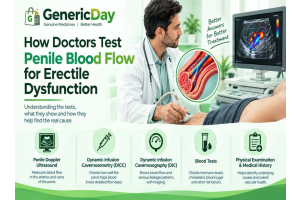
For example, penile Doppler ultrasound can help assess blood flow in selected patients when a doctor considers it clinically appropriate.
More Accessible Digital Healthcare
Telemedicine may continue reducing geographical and scheduling barriers, allowing more men to discuss sexual health concerns with qualified professionals.
Integrated Men's Health Platforms
Future digital healthcare platforms may bring consultations, medical records, educational resources, appointment scheduling, and follow-up communication into one system.
These developments could improve the patient experience, although their real-world benefits will depend on clinical evidence, accessibility, and responsible implementation.
Frequently Asked Questions (FAQs)
1. Can technology help find the right ED treatment faster?
Yes. Telemedicine, digital health assessments, and electronic medical records can help streamline consultations and support doctors in evaluating suitable ED treatment options.
2. Can AI diagnose erectile dysfunction?
AI can assist healthcare professionals in reviewing medical information, but it cannot independently replace a qualified doctor's diagnosis.
3. Is online consultation effective for erectile dysfunction?
Online consultations can help patients discuss symptoms, medical history, and treatment options, although some cases require in-person examinations or diagnostic tests.
4. What is the fastest way to find suitable Impotence treatment?
Consulting a qualified doctor, sharing an accurate medical history, and completing recommended assessments can help identify an appropriate treatment plan.
5. Can telemedicine doctors prescribe Erectile Dysfunction medication?
Qualified doctors may prescribe Erectile Dysfunction medication through telemedicine when clinically appropriate and permitted by applicable regulations.
6. What are the latest technologies used in ED treatment?
Digital health assessments, telemedicine, electronic medical records, AI-assisted clinical support, and advanced diagnostic imaging are among the technologies used in modern healthcare.
7. Can technology help monitor ED treatment progress?
Yes. Digital health applications can help patients record symptoms, medication information, and lifestyle habits for discussion during medical follow-ups.
8. Is digital ED treatment safe?
Digital healthcare can be safe when provided through legitimate platforms with qualified medical professionals, appropriate privacy protections, and proper clinical assessment.
9. Does personalized ED treatment work better than general treatment?
Personalized treatment considers individual health conditions, underlying causes, and treatment preferences, helping doctors select more appropriate management options.
10. When should someone consult a doctor for erectile dysfunction?
Men experiencing recurring erection difficulties should consult a healthcare professional to identify possible underlying causes and discuss suitable treatment.
Conclusion
Finding the right erectile dysfunction treatment does not have to involve endless searching, confusion, or unnecessary delays. Technology is creating new opportunities for men to access medical information, connect with qualified specialists, and participate more actively in their healthcare decisions.
From telemedicine and digital health assessments to AI-assisted clinical support and electronic medical records, modern healthcare tools can make the ED diagnosis and treatment journey more organized and accessible.
However, technology alone cannot determine the best treatment. Erectile dysfunction can have multiple underlying causes, and an effective management plan requires proper medical evaluation, individualized recommendations, and appropriate follow-up care.
The smartest approach is to combine the convenience of digital healthcare with the expertise of qualified medical professionals.
Ultimately, technology may help men find the right Erectile Dysfunction treatment faster by making reliable healthcare more accessible, informed, and personalized. The goal is not simply to find a quick solution but to find a safe, medically appropriate treatment that supports long-term sexual health and overall well-being.