Why Fitness Alone Doesn’t Always Fix ED
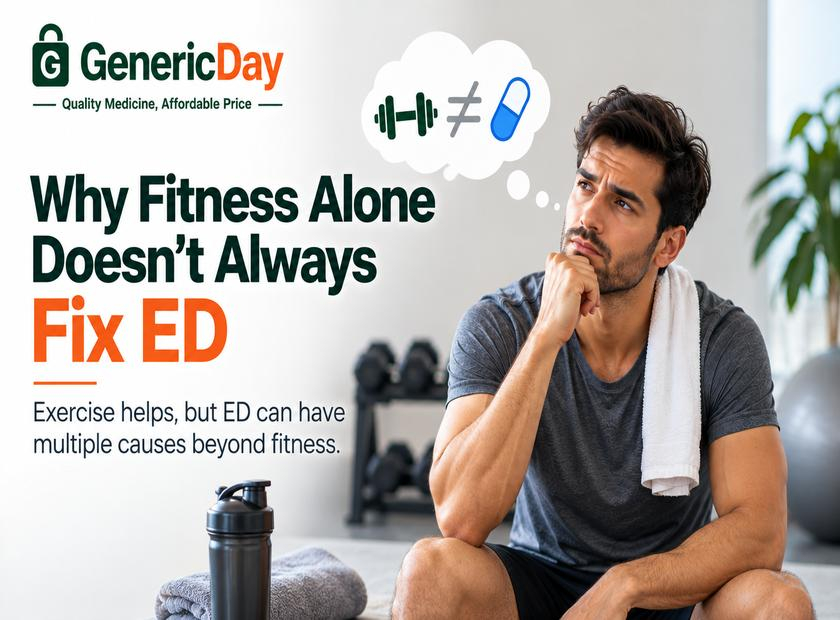
Regular exercise is one of the best things you can do for your overall health. It can support cardiovascular health, improve circulation, help maintain a healthy weight, reduce stress, and lower the risk of several chronic conditions. Since erections depend heavily on healthy blood vessels, nerves, hormones, and psychological well-being, it makes sense that exercise and erectile dysfunction (ED) are closely connected.
But there is an important distinction that is often overlooked:
Being physically fit does not automatically mean you cannot have erectile dysfunction.
A man can exercise regularly, maintain a healthy body weight, eat a balanced diet, and still experience difficulty getting or maintaining an erection. That's because ED is not caused by a single factor. It can involve blood vessels, hormones, medications, neurological conditions, sleep problems, stress, anxiety, relationship factors, or a combination of several issues.
So, can exercise cure erectile dysfunction? In some men, increasing physical activity can improve erectile function, particularly when inactivity, obesity, or cardiovascular risk factors contribute to ED. However, exercise may not address every underlying cause.
Understanding this distinction can help you avoid frustration and identify when additional evaluation or treatment may be appropriate.
What Is Erectile Dysfunction?
Erectile dysfunction, commonly called ED, is the persistent or recurrent inability to achieve or maintain an erection that is firm enough for satisfactory sexual activity.
Occasional difficulty with erections is common and does not necessarily mean you have Erectile Dysfunction. Stress, fatigue, excessive alcohol consumption, poor sleep, or situational anxiety can temporarily affect sexual performance.
Concern becomes more appropriate when erection problems happen repeatedly or begin affecting your sexual relationship, confidence, or quality of life.
An erection is a complex physiological process involving:
- The brain and sexual arousal
- The nervous system
- Hormones
- Healthy blood vessels
- Adequate blood flow to the penis
- Penile tissues
- Psychological and emotional factors
Because so many systems are involved, improving just one area—such as physical fitness—may not completely resolve the problem.
Quick Answer: Can a Fit Man Still Have ED?
Yes. A physically fit man can still develop erectile dysfunction.
Fitness may reduce certain risk factors for ED, but it does not eliminate psychological, hormonal, neurological, medication-related, or other medical causes.
How Exercise Affects Erectile Function
Exercise and erectile function are connected largely through cardiovascular and metabolic health.
An erection requires blood vessels to relax and allow sufficient blood to enter the penis. Conditions that damage blood vessels or impair circulation can therefore contribute to ED.
Regular physical activity can support several processes associated with erectile health.
1. Exercise Supports Cardiovascular Health
The cardiovascular system plays an important role in erections. Regular aerobic activity can support heart and blood-vessel health and improve overall physical conditioning.
Since cardiovascular problems and ED can share risk factors, maintaining cardiovascular health is an important part of protecting sexual health.
2. Exercise Can Support Healthy Blood Flow
Aerobic activities such as brisk walking, cycling, swimming, and jogging can improve cardiovascular fitness.
Better vascular health can support the mechanisms required for an erection. However, improved circulation does not necessarily correct ED caused by other factors.
3. Exercise Helps With Weight Management
Excess body weight is associated with several conditions that may increase ED risk, including metabolic and cardiovascular problems.
Maintaining a healthy weight through physical activity and nutrition can therefore be beneficial for erectile health.
4. Exercise May Reduce Stress
Stress can affect sexual desire and sexual performance. Exercise is often associated with better mood and stress management.
For someone whose erection problems are partly related to stress or anxiety, reducing psychological pressure may contribute to improved sexual function.
5. Exercise Can Support Metabolic Health
Regular physical activity can help support healthy blood sugar regulation and cardiovascular health. This matters because conditions such as diabetes can affect blood vessels and nerves involved in erections.
| Exercise Benefit | Potential Effect on ED | Important Limitation |
|---|---|---|
| Better cardiovascular fitness | Supports healthy circulation | Does not treat every cause of ED |
| Weight management | May reduce certain ED risk factors | Weight is only one factor |
| Stress reduction | May help stress-related sexual difficulties | Severe anxiety may require additional support |
| Better metabolic health | May reduce certain disease-related risks | Existing medical conditions may still require treatment |
Why Fitness Alone Doesn't Always Fix ED
This is where the relationship between fitness and erectile dysfunction becomes more complicated.
Exercise is beneficial, but ED can have many causes.
If you are exercising consistently but still experiencing erection problems, it does not necessarily mean you are doing something wrong. It may mean that another factor needs attention.
1. Psychological Factors Can Cause ED
One of the most important reasons a physically fit man may experience ED is psychological.
Sexual arousal is not purely physical. The brain plays a central role in initiating and maintaining an erection.
Stress, anxiety, depression, relationship difficulties, and performance anxiety can interfere with sexual function.
For example, a man may have an erection normally during masturbation or upon waking but experience difficulty during partnered sex. This pattern can sometimes suggest that psychological or situational factors are contributing.
Performance anxiety can also create a cycle:
Worry about erections → increased anxiety → difficulty getting an erection → more worry about future sexual activity.
Exercise may reduce general stress, but it may not completely resolve a persistent anxiety pattern.
Can Anxiety Cause Erectile Dysfunction?
Yes. Anxiety can contribute to erectile dysfunction. Performance anxiety, generalized stress, and relationship-related anxiety can interfere with sexual arousal and erection quality.
If anxiety appears to be playing a significant role, talking with a qualified mental-health professional or sex therapist may be helpful.
2. Low Testosterone May Contribute to Sexual Problems
Hormones also play a role in sexual health.
Testosterone is associated with sexual desire and several aspects of male reproductive health. Low testosterone can be associated with reduced libido and may contribute to sexual difficulties in some men.
However, low testosterone is not automatically the explanation for every case of ED.
A man can have normal testosterone levels and still have erectile dysfunction because of vascular, neurological, psychological, medication-related, or other factors.
Similarly, symptoms such as reduced sexual desire, fatigue, or changes in sexual function should not automatically be interpreted as proof of low testosterone.
A healthcare professional can determine whether hormone testing is appropriate based on symptoms and medical history.
| Possible Factor | How It May Affect Sexual Function | What May Be Needed |
|---|---|---|
| Low testosterone | May affect libido and sexual function | Medical evaluation and appropriate testing |
| Anxiety/stress | Can interfere with arousal and erections | Stress management or professional counseling |
| Diabetes | Can affect blood vessels and nerves | Medical and metabolic management |
| Medications | Some medicines can contribute to ED | Medication review with a clinician |
3. Medications Can Contribute to ED
Another commonly overlooked factor is medication.
Certain medications can affect sexual function as a side effect. Examples may include some medicines used for blood pressure, depression, and other medical conditions.
That does not mean you should stop taking a prescribed medicine on your own.
If you notice erectile changes after starting or changing a medication, discuss the issue with your healthcare professional. They can determine whether the medication may be contributing and whether an alternative or adjustment is appropriate.
Never discontinue a prescribed medication without medical advice.
4. Sleep Problems May Affect Erectile Function
Good sleep is important for overall health, hormone regulation, mood, and sexual function.
Poor sleep, chronic sleep deprivation, and sleep disorders may be associated with sexual difficulties.
For example, sleep apnea can affect overall cardiovascular and metabolic health and may be associated with erectile problems.
If you exercise regularly but consistently sleep poorly, improving your sleep may be an important part of a broader approach to sexual health.
5. Diabetes and Metabolic Conditions Can Affect ED
A person can appear physically fit while still having an underlying metabolic condition.
Diabetes, for example, can affect both blood vessels and nerves. Because erections require adequate blood flow and functioning nerve signals, these changes can contribute to ED.
Other metabolic or cardiovascular risk factors may also influence erectile function.
This is one reason persistent ED should not simply be treated as a fitness problem.
If exercise and lifestyle improvements are not resolving persistent ED, discussing possible underlying medical factors with a healthcare professional may be worthwhile.
6. Neurological Problems Can Affect Erections
An erection depends partly on communication between the brain, spinal cord, peripheral nerves, and penile tissues.
Certain neurological conditions or nerve injuries can interfere with these signals.
In such cases, becoming fitter may improve general health without directly correcting the neurological problem responsible for ED.
This is another example of why the cause of erectile dysfunction matters when deciding how to approach treatment.
7. Relationship and Sexual Factors Matter Too
Sexual function can be influenced by relationship dynamics, communication, emotional connection, previous sexual experiences, and expectations about performance.
Even when there is no obvious physical problem, relationship tension or fear of disappointing a partner can affect sexual performance.
A healthy lifestyle is valuable, but sexual health also includes emotional and interpersonal well-being.
Can Exercise Actually Improve Erectile Dysfunction?
Yes, exercise can improve erectile function for some men.
Research has linked regular physical activity, particularly aerobic exercise, with improvements in erectile function in certain populations.
The potential benefit is especially relevant when ED is associated with inactivity, cardiovascular risk factors, obesity, or poor metabolic health.
However, improvement is not guaranteed, and exercise should be viewed as one component of erectile health, not a universal cure.
The key question is not simply:
“Do I exercise enough?”
A more useful question is:
“What factors are contributing to my ED, and which of those factors can lifestyle changes address?”
That shift in thinking can make it easier to identify an appropriate solution.
How Much Exercise Is Helpful for Erectile Health?
There is no single exercise prescription that guarantees prevention or treatment of ED.
In general, adults benefit from a combination of aerobic activity and muscle-strengthening exercise, adjusted according to individual health and fitness levels.
Examples of aerobic activities include:
- Brisk walking
- Jogging
- Swimming
- Cycling
- Dancing
- Recreational sports
Strength training can also be part of a balanced fitness routine.
The goal is consistency rather than extreme exercise.
More Exercise Is Not Always Better
Some people respond to ED concerns by dramatically increasing their training volume.
That is not necessarily helpful.
Excessive training combined with inadequate recovery, poor nutrition, insufficient sleep, or significant psychological stress can negatively affect overall well-being.
A sustainable exercise routine is generally more practical than trying to “out-train” a sexual health problem.
What If You Have ED Despite Exercising Regularly?
If you are physically active and still experiencing ED, consider looking beyond exercise.
Start by paying attention to patterns.
Ask yourself:
- Did the problem begin suddenly or gradually?
- Does it happen every time or only sometimes?
- Do you still experience erections during sleep or upon waking?
- Is your sexual desire normal?
- Have you recently experienced significant stress?
- Are you sleeping well?
- Have you started any new medications?
- Do you have diabetes, high blood pressure, or other medical conditions?
- Has alcohol consumption changed?
- Are relationship or performance concerns affecting sexual activity?
These questions do not diagnose ED, but they can help identify useful information to discuss with a healthcare professional.
| Question to Consider | Why It Matters | Possible Next Step |
|---|---|---|
| When did ED begin? | Timing can provide clues | Discuss history with a clinician |
| Does it happen every time? | Patterns can help distinguish factors | Track symptoms |
| Are morning erections present? | May provide useful context | Mention pattern during evaluation |
| Have medications changed? | Some medicines can affect sexual function | Request a medication review |
Lifestyle Changes That May Support Erectile Health
Exercise is only one part of a healthy lifestyle.
A broader approach can include:
Maintain a Healthy Weight
If you are overweight, gradual and sustainable weight management may support cardiovascular and metabolic health.
Eat a Balanced Diet
A diet rich in vegetables, fruits, whole grains, legumes, nuts, and other nutrient-dense foods can support overall cardiovascular health.
Avoid Smoking
Smoking can negatively affect blood vessel health and is an important modifiable risk factor for cardiovascular disease.
Moderate Alcohol Consumption
Heavy alcohol consumption can interfere with sexual function and overall health.
Prioritize Sleep
Aim for consistent, good-quality sleep and discuss persistent sleep problems with a healthcare professional.
Manage Stress
Exercise, relaxation techniques, mindfulness, therapy, social support, and healthy routines can all play a role in managing stress.
The important point is that these strategies support overall health. They should not be presented as guaranteed cures for ED.
When Should You See a Doctor About Erectile Dysfunction?
Persistent ED deserves attention, particularly when it is new, recurrent, or worsening.
This is important because ED can sometimes occur alongside cardiovascular or metabolic risk factors.
You should consider speaking with a healthcare professional if:
- Erectile problems happen repeatedly.
- ED is affecting your relationship or quality of life.
- You have diabetes or cardiovascular risk factors.
- You have concerns about testosterone or other hormonal issues.
- Symptoms began after starting a medication.
- You experience reduced sexual desire along with erection problems.
- You have other symptoms that concern you.
- Lifestyle changes have not improved the problem.
A clinician may review your medical history, medications, lifestyle, sexual history, and relevant physical or laboratory findings.
The goal is not simply to determine whether you are “fit enough.”
The goal is to identify what may be contributing to the erectile problem.
How Is Erectile Dysfunction Treated?
Treatment depends on the underlying cause.
There is no single treatment that is appropriate for every person.
Potential approaches can include:
- Lifestyle modifications
- Treatment of underlying medical conditions
- Psychological counseling or sex therapy
- Medication review
- Prescription ED medications when appropriate
- Hormonal evaluation when clinically indicated
- Treatment of sleep disorders
- Other medical interventions when necessary
Prescription medications for ED, such as PDE5 inhibitors, can be effective for many men, but they are not suitable for everyone and should be discussed with a qualified healthcare professional.
In particular, some ED medicines can interact dangerously with nitrate medications used for certain heart conditions.
This is why self-treatment or purchasing unverified ED products online can be risky.
Fitness Is Part of the Solution, Not Always the Whole Solution
One of the biggest misconceptions about erectile dysfunction is that it is simply a measure of physical fitness.
It isn't.
Fitness can support the systems that contribute to healthy erections, especially cardiovascular health, metabolic health, stress management, and weight control.
But erections involve multiple interconnected systems.
Think of erectile function as a network:
Brain + hormones + nerves + blood vessels + penile tissues + psychological well-being + overall health
Exercise primarily supports several parts of this network. It cannot necessarily correct every problem affecting the others.
That is why a physically fit person can still experience ED.
A Practical Approach If Exercise Isn't Fixing Your ED
If you have been exercising consistently but continue to experience erectile problems, don't assume that you simply need to exercise harder.
Instead:
Step 1: Look for a Pattern
Track when the problem occurs and whether it happens consistently.
Step 2: Review Your Lifestyle
Consider sleep, stress, alcohol, smoking, diet, recovery, and exercise intensity.
Step 3: Review Your Medications
If you take prescription or over-the-counter medications, discuss possible sexual side effects with your clinician.
Step 4: Consider Medical Factors
Conditions affecting cardiovascular, metabolic, hormonal, neurological, or psychological health can contribute to ED.
Step 5: Get Professional Evaluation
A healthcare professional can help determine whether additional testing or treatment is appropriate.
Step 6: Treat the Underlying Cause
When a contributing factor is identified, addressing that factor may be more useful than simply increasing exercise.
Frequently Asked Questions
1. Can exercise cure erectile dysfunction?
Exercise can improve erectile function in some men, particularly when inactivity or cardiovascular risk factors contribute to ED. However, exercise does not cure every type of erectile dysfunction.
2. Why do I have ED if I exercise regularly?
ED can have causes unrelated to physical fitness, including anxiety, stress, hormonal issues, medications, diabetes, neurological conditions, sleep problems, or vascular factors.
3. Can a physically fit man have erectile dysfunction?
Yes. Physical fitness reduces some health risks but does not eliminate all possible causes of ED.
4. Does exercise improve blood flow to the penis?
Regular aerobic exercise can support cardiovascular and vascular health, which is important for normal erectile function. However, ED may involve factors beyond blood flow.
5. Can anxiety cause erectile dysfunction?
Yes. Anxiety, particularly performance anxiety, can interfere with sexual arousal and make it difficult to achieve or maintain an erection.
6. Does low testosterone cause ED?
Low testosterone can contribute to reduced sexual desire and may contribute to erectile problems in some men. However, many cases of ED occur without low testosterone.
7. Can medications cause ED?
Yes. Some medications can contribute to sexual dysfunction. If you suspect a medication is affecting your erections, speak with your healthcare professional rather than stopping it yourself.
8. How long does exercise take to improve ED?
There is no guaranteed timeline. Improvements depend on the underlying cause, baseline health, exercise consistency, and other lifestyle or medical factors.
9. What should I do if exercise doesn't improve my ED?
Consider looking beyond fitness. Review sleep, stress, medications, alcohol, medical conditions, and other potential contributors, and consider discussing persistent symptoms with a healthcare professional.
10. When should I see a doctor about ED?
Consider medical evaluation when ED is persistent, recurrent, worsening, or affecting your quality of life. Evaluation can also be useful when ED occurs alongside other health concerns or cardiovascular risk factors.
Conclusion: Don't Treat ED as a Fitness Problem Alone
Regular exercise can support better blood flow, cardiovascular health, weight management, and overall sexual well-being but fitness alone doesn't always fix ED.
If you're fit and still experiencing erectile dysfunction, don't assume you simply need to exercise more. ED can be linked to stress, anxiety, hormones, medications, sleep problems, diabetes, vascular health, or other underlying factors.
The key is to identify what may be causing your ED, rather than focusing only on fitness. If erection problems persist, talking with a qualified healthcare professional can help you understand the cause and explore appropriate treatment options.
Being fit is a great foundation for sexual health—but sometimes, your body needs more than exercise.